The Nervous System and the Compassionate No: How understanding the fawn response frees your energy, your boundaries, and your voice.
Nov 26, 2025
Most people think people-pleasing is a personality trait — a quirk, a habit, or a ‘nice girl/nice guy’ thing. But in reality, for so many of us, the urge to say yes when we desperately need to say no is a nervous system response. I learned this in my own journey to heal emotional abuse by a narcissistic mother. I would cuss myself for saying yes almost as soon as the words came from my mouth, knowing I had taken on too much, again. I was also so desperate to be ‘liked’ I thought saying yes would make me more popular…
Little did I know back then, it was my nervous system helping me to SURVIVE!
This is exactly what we explore in Lesson 1 of Module 1 in the Burnout to Joy Foundation Course: how your sympathetic nervous system activates the fawn response, a survival strategy wired deep into our biology. It’s that instinctive reaction to appease, smooth things over, or make yourself easier to be around when your body senses stress or potential conflict.
And here’s the truth you may have never been told:
Your need to please others is not a flaw. It’s physiology.
When your nervous system is dysregulated, saying “yes” feels safer than disappointing someone — even if it costs you your own time, energy, and wellbeing. But once you understand what’s happening internally, you can begin to shift from a reactive ‘please don’t be upset with me’ yes to a grounded, steady, and compassionate no.
What Is the Fawn Response — and Why Do We Do It?
 The fawn response is one of the four primary stress reactions of the nervous system: fight, flight, freeze… and fawn. While fight-or-flight deals with external threats and freeze helps you shut down under overwhelm, fawning is a people-oriented survival tactic.
It sounds like:
-
‘Sure, I can do that’ even though you’re already stretched thin (I can hear myself saying this…)
-
‘Let me help you with that’ - ‘Are you sure?’ - ‘Absolutely! No problem. Pleasure to help…’ (WTF did I say???)
-
“No worries at all!” while your body tightens and your breath shortens (SO familiar!!)
-
“It’s fine,” when it’s absolutely not (cos everything’s on fire!!!)
Fawning is what happens when your body decides that being agreeable is the safest way to avoid conflict, rejection, or disappointment. It’s incredibly common among caregivers, high-responsibility professionals, helpers, and anyone who grew up learning that harmony was more important than personal needs.
But this instinct, while protective, can lead directly to burnout. Constant appeasing drains your energy, erodes your boundaries, and disconnects you from your intuition.
That’s why awareness is the first and most transformative step.
Fawning vs. Authentic Compassion
It’s important to distinguish the fawn response from genuine compassion.
✨ Fawning is fear-driven.
It comes from dysregulation, pressure, guilt, or a sense that saying no isn’t safe.
✨ Authentic compassion is grounded.
It comes from presence, clarity, and a regulated nervous system.
When you’re in fawn mode, your “yes” costs you something.
When you’re grounded, your “yes” is a true offering — not an obligation.
Learning the difference is how you begin reclaiming your voice without losing your kindness.
Regulate Before You Respond: The Foundation of the Compassionate No
Your most graceful, steady, confident responses don’t come from your mind — they come from your body.
If your sympathetic system is activated, your body is primed to react. But once you pause, breathe, and downshift into regulation, your intuition comes back online. You can feel what’s right for you instead of reacting from fear or habit.
Here’s a simple practice:
-
Pause.
Don’t answer immediately. Silence is a boundary -
Regulate.
Take two slow breaths. Soften your belly. Feel your feet. (I like to stamp my foot to remind me to be ‘in the NOW’
You’re signalling to your nervous system: I am safe. -
Respond.
From this grounded place, your ‘yes’ becomes intentional
and your ‘no’ becomes compassionate and clear.
This moment of regulation is the difference between an automatic fawn response and a deliberate, empowered choice.
A Simple 3-Step Body Check for Your Intuitive Yes or No
Your body always knows the truth before your mind catches up. Try this:
1. Ask the question:
‘Do I have the energy, capacity, or desire to do this?’
2. Notice the physical response:
-
Does your chest tighten?
-
Does your breath shorten?
-
Do you feel pressure, heaviness, or dread?
→ That’s usually an intuitive no. -
Do you feel expansion? Warmth? Openness?
→ That’s an intuitive yes.
3. Trust the sensation.
Even if your mind tries to negotiate or guilt-trip you.
This is how you build the muscle of self-trust — one body signal at a time.
One Graceful No at a Time
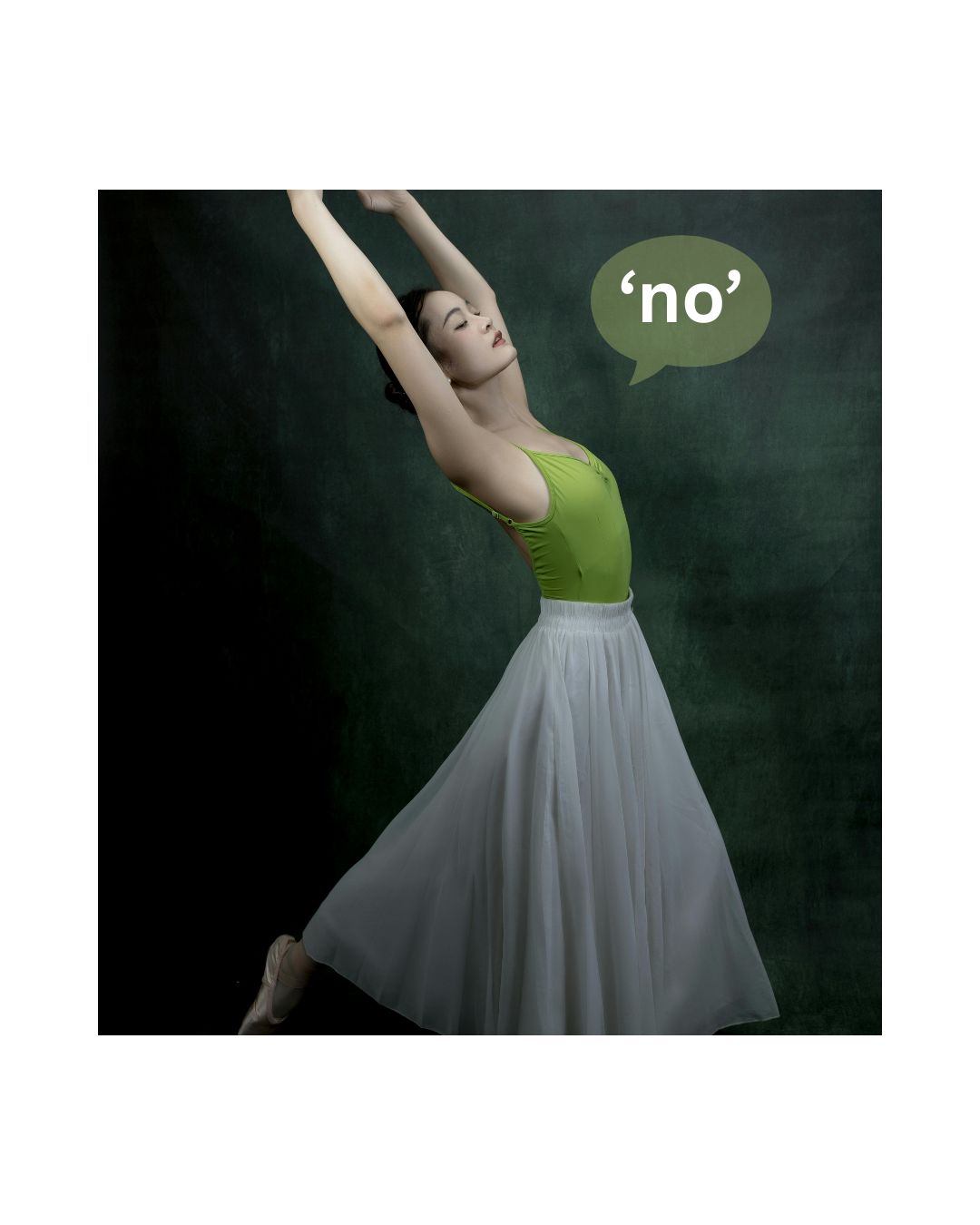
Understanding the fawn response is one of the most powerful steps in burnout recovery. Once you realise your nervous system has been driving your yeses, everything changes.
You stop blaming yourself for people-pleasing.
You stop pushing through discomfort.
You stop abandoning your own needs.
And instead, you learn to pause… regulate… and respond from a grounded place.
This insight sets the foundation for everything we explore in the Burnout to Joy Course — helping you reclaim your voice, your peace, and your energy… one compassionate, empowered ‘no’ at a time.
A Gentle Next Step
If you recognised yourself in any of these signs, take heart—you’re not alone. Burnout isn’t a personal failure; it’s your mind and body’s way of saying, “I need care.”
That’s why we created a few simple tools to help you begin your journey back to joy:
1. Take the Burnout Quiz – Discover where you are on the burnout spectrum and what stage of recovery you’re in.
👉 Take the Quiz Here
2. Download the Burnout to Joy Energy Tracker – A daily check-in tool to help you notice how your energy rises and falls throughout your week—and what restores it most.
👉 Get the Energy Tracker
3. Join the 5-Day Burnout to Joy Challenge – Five small, meaningful actions to reset your mindset, calm your nervous system, and reignite your spark for teaching.
👉 Join the Challenge
Each small step helps you shift from surviving to thriving—and reminds you that your passion and joy are still there, waiting to be reignited.
Because burnout doesn’t have to be your story—joy can be.
Stay connected with news and updates!
Join our mailing list to receive the latest news and updates from our team.
Don't worry, your information will not be shared.
We hate SPAM. We will never sell your information, for any reason.